How to get cheap opera and classical tickets in NYC
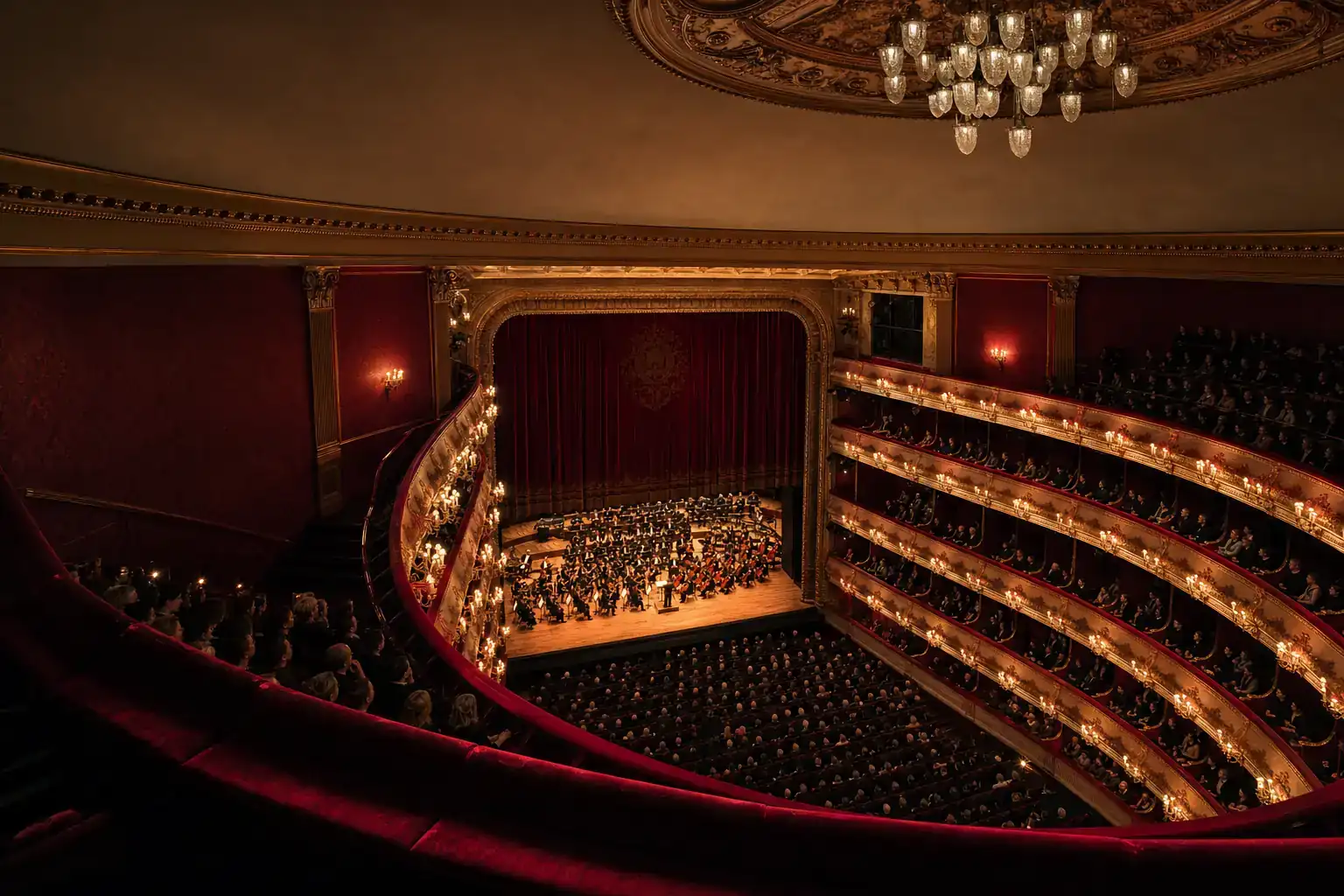
Three mechanisms get you into a major New York opera or orchestral performance for $25 to $40: day-of rush tickets, standing room, and the top balcony bought in advance. Rush seats at the Metropolitan Opera are $25, distributed through a lottery in the Met Opera app and released first-come on the website at noon for weekday evening performances. Standing room runs about $25 to $40 in the orchestra and $20 to $30 up in the Family Circle. None of it requires a student ID.
Get a cheap opera or classical ticket in New York, step by step
- Decide how much uncertainty you can take. Rush and lottery seats are cheap because they might not appear. If the night has to happen, buy an upper-balcony seat in advance for $30 to $50 and stop thinking about it.
- Enter the lottery early. The Met opens its rush lottery two weeks before each performance and closes it at 9:45am the day before. Winners are notified at 10am and have 90 minutes to buy in the app.
- Know the on-sale clock. First-come rush tickets go on sale at noon for Monday through Friday evenings, at 2pm for Saturday evenings, and four hours before curtain for matinees. The popular nights clear in minutes.
- Keep standing room as the backup. Standing room sells at the box office, by phone and online. On a weeknight in the middle of a long run it is often still available at 6pm.
- Arrive early enough to claim a spot. Standing positions are unassigned. The rail places go to whoever is inside first, which on a busy night means being in the house 45 minutes before curtain.
Rush tickets, and why they are worth the alarm
A $25 rush ticket at the Met is the largest single discount in New York performing arts. The same seat sold in advance can run well over $100. The trade is timing plus a purchase limit: two tickets per performance, and one performance every seven days per account.
The lottery and the first-come pool are separate shots at similar inventory, so entering the lottery costs nothing and losing it does not stop you from refreshing at noon. Weeknights in the middle of a long run are the soft spots. Opening nights, star debuts and the three weeks around the holidays are not.
Standing room and the upper rings
Standing room is the traditional New Yorker’s answer to ticket prices, and it is less grim than it sounds. Orchestra standing positions sit behind the last row with a rail to lean on and a ledge wide enough for a libretto or a drink. Family Circle standing is higher up and cheaper still. You are on your feet for the length of the performance, so it suits a two-hour Puccini better than a five-hour Wagner.
If standing is not for you, the top ring is the underrated purchase. Sound in the upper balcony of a hall built for unamplified voices is often better than the far sides of the orchestra, because the room was designed to send it there. You give up faces and gain the whole orchestral balance. A cheap pair of opera glasses is the one accessory worth owning.
The tier nobody competes for
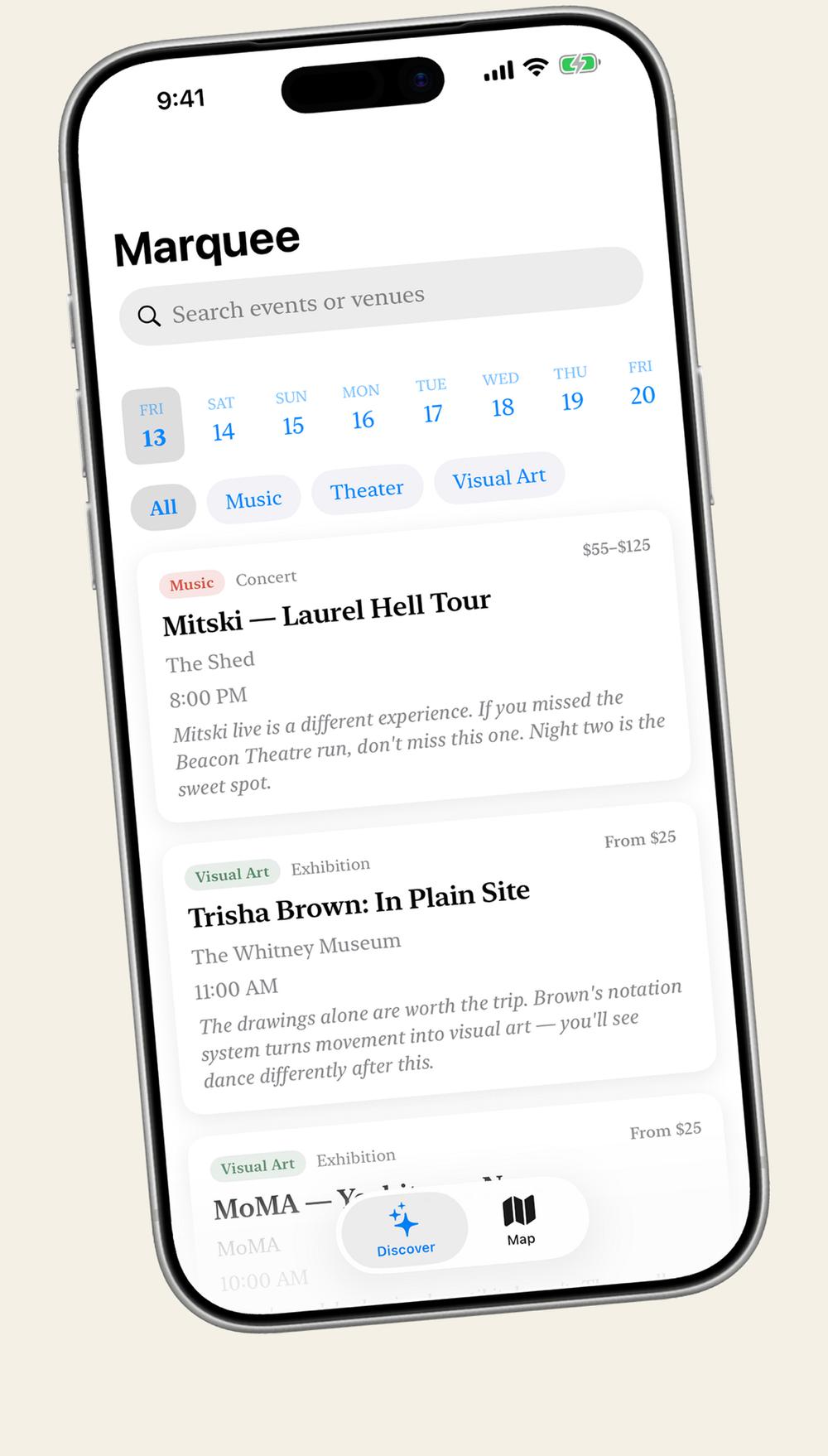
Underneath the famous halls sits a second layer of classical music with almost no competition for seats. Conservatory recitals, many of them free, run several nights a week through the school year and are played by musicians who will be selling out those famous halls in a decade. Church series in Manhattan and Brooklyn put on chamber programs for $20 or a suggested donation. Small halls and loft spaces host new music for about the price of a cinema ticket.
These are also the events most likely to stay invisible to you, because the rooms are small and the marketing budget is zero. A hand-picked feed matters more here than for anything with its own marquee out front.
Check these before you commit to the night
Running time first. A full-length opera with two intermissions can finish after 11pm, which changes what you do about dinner and who you go with. Most houses seat latecomers only at an interval, so a 7:30 curtain means being in the building at 7:15, not at 7:29. Bag policies are stricter than at a cinema, and the coat check queue before a sold-out night is its own event. None of this is complicated, but finding it out on the sidewalk at 7:28 makes for a bad evening.
Questions
Is standing room at the opera actually bearable?
For most people, yes, across a two to three hour performance with an intermission you can sit out in a lounge. The rail spots are the comfortable ones. If your back is unreliable or the piece runs four hours, spend the extra $10 on a Family Circle seat instead.
Do orchestra concerts have rush tickets too?
Many do, alongside student pricing and under-35 membership programs that discount every concert in a season. Policies differ by organization and get revised between seasons, so confirm on the ensemble’s own ticketing page the week you plan to go.